Debug (line 333 of ViewableData.php):
PageController created with a failover class of Page
Debug (line 333 of ViewableData.php):
SilverStripe\Blog\Model\BlogController created with a failover class of SilverStripe\Blog\Model\Blog
Debug (line 333 of ViewableData.php):
SilverStripe\Blog\Model\BlogPostController created with a failover class of SilverStripe\Blog\Model\BlogPost
Debug (line 333 of ViewableData.php):
SilverStripe\Assets\Storage\DBFile created with a failover class of SilverStripe\Assets\Image
Debug (line 333 of ViewableData.php):
SilverStripe\Assets\Storage\DBFile created with a failover class of SilverStripe\Assets\Image
Debug (line 333 of ViewableData.php):
SilverStripe\Assets\Storage\DBFile created with a failover class of SilverStripe\Assets\Image
Debug (line 333 of ViewableData.php):
SilverStripe\Assets\Storage\DBFile created with a failover class of SilverStripe\Assets\Image
Debug (line 333 of ViewableData.php):
SilverStripe\Assets\Storage\DBFile created with a failover class of SilverStripe\Assets\Image
Debug (line 333 of ViewableData.php):
SilverStripe\Assets\Storage\DBFile created with a failover class of SilverStripe\Assets\Image
Debug (line 333 of ViewableData.php):
SilverStripe\Assets\Storage\DBFile created with a failover class of SilverStripe\Assets\Image
Debug (line 333 of ViewableData.php):
SilverStripe\Assets\Storage\DBFile created with a failover class of SilverStripe\Assets\Image
Debug (line 333 of ViewableData.php):
SilverStripe\Assets\Storage\DBFile created with a failover class of SilverStripe\Assets\Image
Debug (line 333 of ViewableData.php):
SilverStripe\Assets\Storage\DBFile created with a failover class of SilverStripe\Assets\Image
Debug (line 333 of ViewableData.php):
SilverStripe\Assets\Storage\DBFile created with a failover class of SilverStripe\Assets\Image
Debug (line 333 of ViewableData.php):
SilverStripe\Assets\Storage\DBFile created with a failover class of SilverStripe\Assets\Storage\DBFile
Debug (line 333 of ViewableData.php):
SilverStripe\Assets\Storage\DBFile created with a failover class of SilverStripe\Assets\Image
Debug (line 333 of ViewableData.php):
SilverStripe\Assets\Storage\DBFile created with a failover class of SilverStripe\Assets\Image
Debug (line 333 of ViewableData.php):
SilverStripe\Assets\Storage\DBFile created with a failover class of SilverStripe\Assets\Storage\DBFile
Debug (line 333 of ViewableData.php):
SilverStripe\Assets\Storage\DBFile created with a failover class of SilverStripe\Assets\Image
Debug (line 333 of ViewableData.php):
SilverStripe\Assets\Storage\DBFile created with a failover class of SilverStripe\Assets\Storage\DBFile
Debug (line 333 of ViewableData.php):
SilverStripe\Blog\Widgets\BlogArchiveWidgetController created with a failover class of SilverStripe\Blog\Widgets\BlogArchiveWidget
Debug (line 333 of ViewableData.php):
SilverStripe\Blog\Widgets\BlogTagsWidgetController created with a failover class of SilverStripe\Blog\Widgets\BlogTagsWidget
Debug (line 333 of ViewableData.php):
SilverStripe\Assets\Storage\DBFile created with a failover class of SilverStripe\Assets\Image
How Dark are your Skies? light pollution & night pollinators » UK Nature Gifts
How Dark are your Skies? light pollution & night pollinators
Star-filled skies are one of the most magical sights our countryside has to offer. However, research shows that light pollution is leaving fewer stars than ever visible to the naked eye.
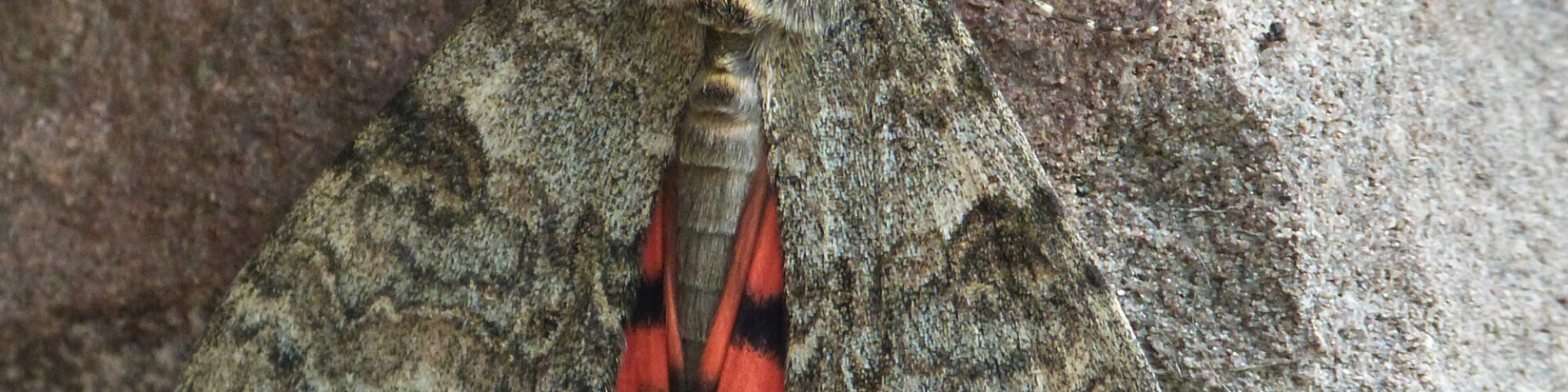
Moths play an important role in pollinating flowers during their nocturnal activity and have declined in abundance by 40% in 40 years. Their cycles might have been disrupted by light pollution but studies show this can be alleviated, particularly by the use of part-time night lighting. Switching lights off for a portion of the night has the most benefit.
Count the stars to measure light pollution
You could help to track how light levels are changing by taking part in the 2020 Star Count. Held by the British Astronomical Association & CPRE, the results are used to map the levels of light pollution across the country.
It’s a great, easy piece of stargazing – no telescopes required - for kids and adults. Choose a clear night between 21-28 February 2020, (a time when there will be little or no moonlight) and look to the skies to see how many stars you can spot within Orion. Count all the stars you see within the area illustrated below but not the 4 corner stars.
We'll post again closer to the time but for more info on the 2019 star count visit britastro.org.uk